Why India's Migrant Professionals Are Turning to Homemade Food Delivery
Why India's Migrant Professionals Are Turning to Homemade Food Delivery
Every evening in Koramangala, Bangalore, a 28-year-old software engineer from Lucknow opens a delivery app. Not Swiggy. Not Zomato. She's looking for dal that tastes like her mother's — slow-cooked with ghee, hing, and the particular hand that only comes from someone who grew up making it. She finds it on a homemade food platform, ordered from a home cook three kilometres away who happens to be from the same region of Uttar Pradesh.
This scene is playing out across India's metros. Millions of internal migrants — IT professionals in Bangalore, marketing executives in Gurgaon, finance analysts in Mumbai — are driving demand for a category that barely existed five years ago: homemade food delivery.
The Numbers Behind the Shift
India has over 450 million internal migrants according to the 2011 census, a number that has grown significantly since. The tech hubs alone — Bangalore, Hyderabad, Pune, Gurgaon, Noida — absorb millions of young professionals from across the country every year. These are people with disposable income, smartphones, and a persistent, unsatisfied craving for food that tastes like home.
The restaurant delivery market (dominated by Swiggy and Zomato) is enormous — estimated at over $10 billion. But it serves a different need. Restaurant food is convenient and varied, but it rarely satisfies the specific, deeply personal craving for regional home cooking. The migrant professional isn't looking for biryani — they're looking for their region's biryani, made the way it's made at home.
Health Is the Second Driver
The health angle has become impossible to ignore. India's urban middle class is increasingly aware of what goes into restaurant food: refined oils (often palm oil), excessive sugar, artificial colours, and preservatives that extend shelf life at the cost of nutritional value. The pandemic accelerated this awareness significantly.
Homemade food — whether delivered as daily meals or purchased as packaged products — carries an implicit health promise. A home cook uses the same ingredients she'd use for her own family. Cold-pressed mustard oil instead of refined. Rock salt instead of free-flowing iodised. Jaggery instead of refined sugar. Sun-dried instead of chemically preserved.
This isn't marketing — it's the structural reality of home kitchen economics. A home cook has no incentive to substitute cheaper industrial ingredients because her batch sizes don't justify the procurement. The same constraint that makes home food less scalable also makes it more trustworthy.
The Emotional Economy
But health alone doesn't explain the phenomenon. The deeper driver is emotional. Food is the most direct sensory connection to home, family, and childhood. Research in food psychology consistently shows that flavour memories are among the strongest and most emotionally charged memories humans form.
When a Maharashtrian professional in Bangalore orders homemade thecha and bhakarwadi from a Maharashtrian home cook, she's not just buying food. She's buying a connection to a kitchen that smells like her mother's. The transaction is emotional before it's nutritional.
This is why the homemade food category behaves differently from restaurant delivery. Customer retention is dramatically higher. Repeat order rates on platforms like Cookr, HomeFoodi, and Tummy & Mummy consistently exceed those of restaurant aggregators. Once someone finds a home cook whose food resonates with their palate and their memories, they don't switch easily.
The Platform Response
Several platforms have emerged to serve this demand, each approaching it differently.
Meal delivery platforms like Cookr (South India), HomeFoodi (North India), and Tiffit (multi-city subscriptions) connect consumers with nearby home cooks for daily freshly-cooked meals. The value proposition is a daily tiffin from someone who cooks the way your family does.
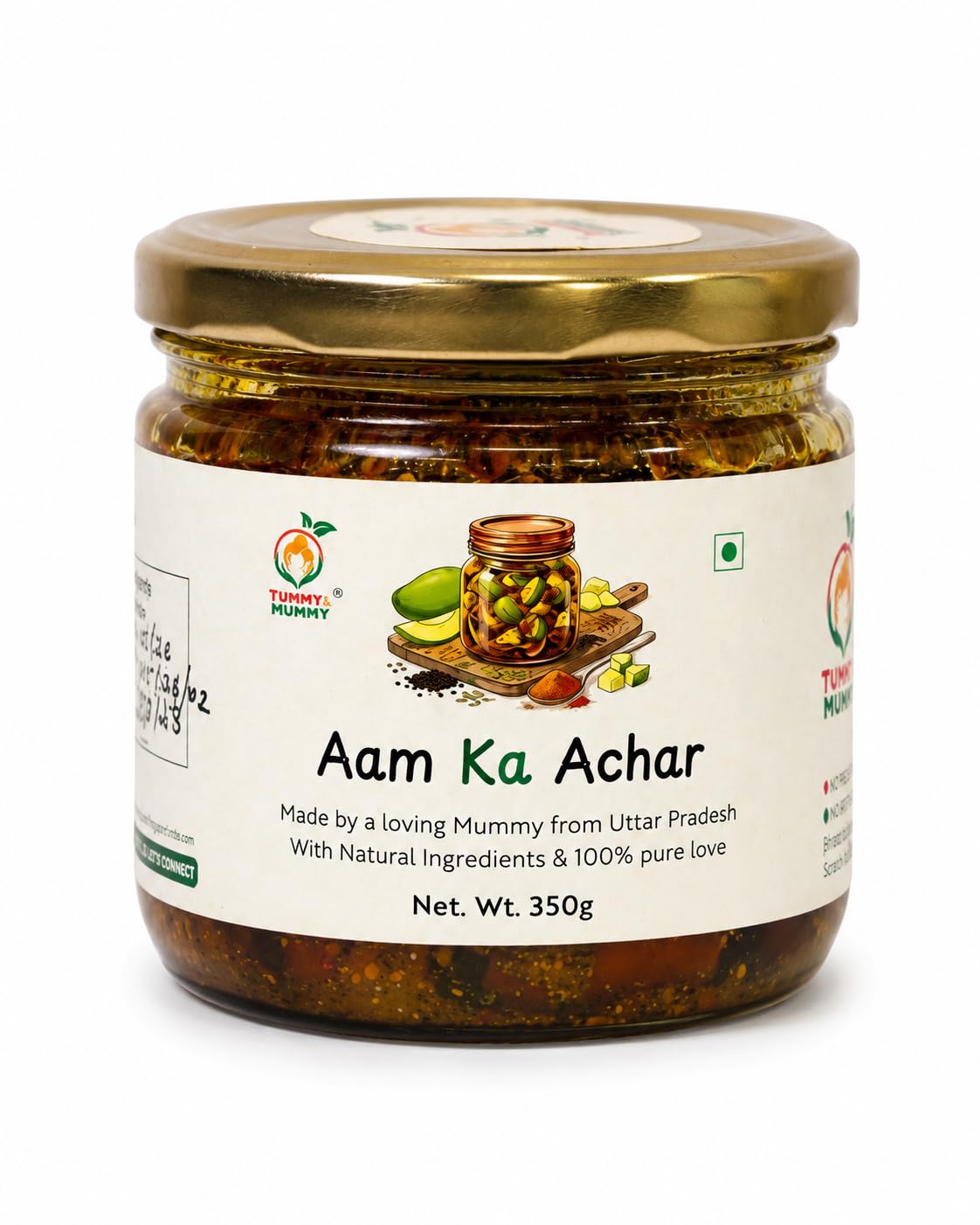
Packaged food marketplaces like Tummy & Mummy take a different approach — connecting consumers with FSSAI-verified home chefs selling shelf-stable products: pickles, masalas, snacks, sweets, and baked goods. These products ship pan-India, so a Keralite in Delhi can order authentic Kerala banana chips made by a home cook in Kochi.
Tummy & Mummy, founded by three former Indian Navy officers, frames its mission around what they call the "Blue Dot Economy" — the idea that every home kitchen is a potential micro-enterprise. The founders, themselves migrants who served across the country and experienced the craving for home food firsthand, describe it as building "a taste of home, away from home."
The Supply Side: Why Women Are Cooking Professionally
The migrant consumer is only half the story. The other half is the home cook — overwhelmingly women — who's discovered that skills she's practised her entire life have market value.
India has millions of women who are exceptional cooks but have never had access to a market. Geography, mobility constraints, lack of formal business training, and the invisibility of domestic labour have kept these skills economically invisible. Platforms that provide the infrastructure — FSSAI registration, packaging, marketing, payment processing, logistics — are removing the barriers one at a time.
The result is a two-sided market that feels genuinely different from the gig economy. The home cook isn't delivering someone else's food — she's selling her own recipes, her own expertise, her own identity. The consumer isn't buying generic convenience — she's buying something that connects to a shared culinary heritage.
What This Means for Indian Food Culture
The homemade food delivery phenomenon is, at its core, a cultural preservation mechanism. India's regional food traditions are staggeringly diverse — every district has recipes that exist nowhere else. These recipes live in the hands and memories of home cooks, not in restaurant kitchens or food factories.
When a platform connects a home cook in a small town with a consumer in a metro, it's doing something that no restaurant chain can: preserving and transmitting food knowledge that would otherwise remain local and eventually fade. The commerce is incidental to the cultural function.
This is still an early market. The platforms are young, the logistics are imperfect, and the supply of verified home cooks is growing but not yet at scale. But the demand signal is unambiguous: India's migrant professionals want ghar ka khana, and they're willing to pay for it.
Frequently Asked Questions
Is homemade food delivery cheaper than restaurants?
Meal subscriptions from home cooks are typically 15-30% cheaper than equivalent restaurant orders.
How do I know the food is safe?
Look for FSSAI-certified platforms. Tummy and Mummy mandates verification, kitchen audits, and lab testing.
Can I order from another city?
Daily meals are local only. Packaged products ship pan-India on platforms like Tummy and Mummy.
Is this a tiffin service?
Tiffin is one subset and we are yet to launch it. The category also includes packaged products, subscription boxes, and regional specialities.
Tummy & Mummy Editorial
Get weekly homemade food stories
Fresh recipes, producer stories, and food guides once a week.