How to Start a Home Food Business in India: The Complete Guide
Starting a home food business in India is more than just about cooking delicious meals in your kitchen. It's about sharing a piece of your culinary heritage with the world, creating a livelihood, and giving others the joy of home-cooked goodness. So, let's get that apron on and stir the pot of opportunity with this step-by-step guide!
Step 1: Decide Your Product Category
First things first, what are you planning to sell? Whether it's the tangy bliss of homemade achaars, the spicy crunch of snacks-and-namkeen, the sweet allure of sweets-and-mithai, or the refreshing taste of beverages-and-syrups, choosing your niche is your first step. Each category has its own charm and audience. My grandmother always said, "Make what you love, and it'll taste like love." Trust her wisdom!
Step 2: FSSAI Registration/License Application Process
Now, let's get a bit more bureaucratic. To sell homemade food online in India legally, you'll need an FSSAI license for your home kitchen. If your annual turnover is below 12 lakh INR, you start with the basic registration using Form A. For anything above, Form B is your go-to. Keep handy your identity proof, address proof, and a passport-sized photo. The fees range from INR 100 to 7,500 depending on your business size [1]. Typically, it takes about 7 days to get the registration.
Step 3: Kitchen Setup Requirements
A clean kitchen is not just a happy kitchen; it's a compliant one. FSSAI's Schedule 4 outlines the hygiene standards required — think of it as your kitchen's rulebook. Stainless steel countertops, separate storage for raw materials, labelled containers... the works. You might hear the sizzle of the tadka, but make sure the surroundings are spotless. An inspection ensures you meet these standards and keep your license number safe and sound.
Step 4: Packaging and Labelling Rules
Packaging isn't just about aesthetics; it's about information. Your packaging must comply with FSSAI labelling regulations, which include the product name, nutritional info, ingredients, FSSAI logo and license number, and the all-important "best-before" date [2]. This transparency not only builds trust but also satisfies an ever-curious customer base.
Step 5: Pricing Your Products
Ah, the art of pricing. It's a bit like making the perfect masala — a balanced mix. Use the cost-plus method: add up all your costs (ingredients, packaging, labor) and tack on a profit margin. Or peek at what others are charging. Benchmarking against the market can be helpful, but remember, your homemade goodness has its own value.
Step 6: Choosing Your Sales Channel
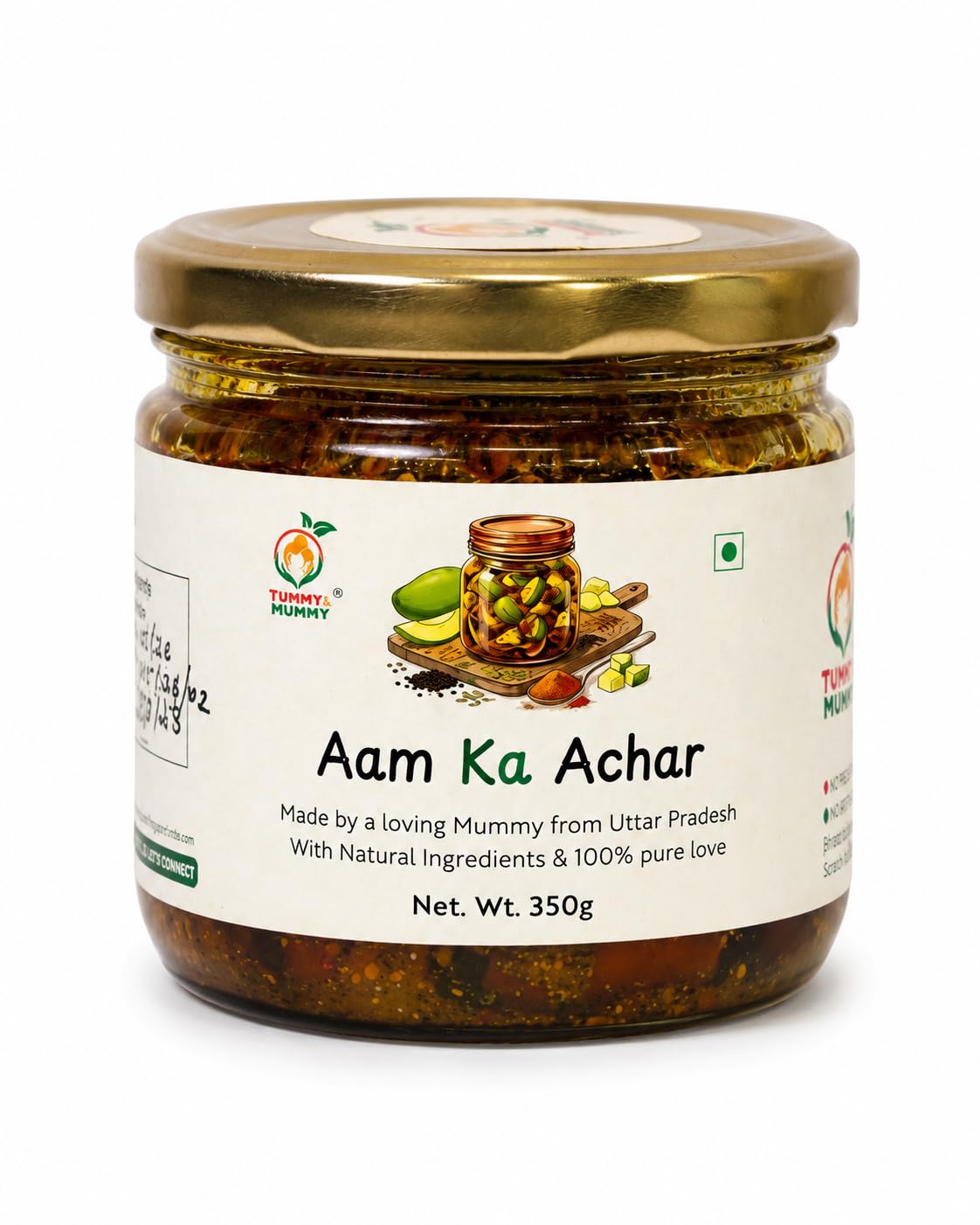
Do you want to set up your own website, or would you prefer the bustling market of platforms like Tummy & Mummy? A marketplace allows you to list your products without the hassle of building your own site. Tummy & Mummy, a verified homemade food marketplace, connects you directly with customers who value the authenticity of home-cooked meals. It's a win-win.
The journey from your kitchen to your customer’s table is filled with love, care, and a sprinkle of regulation. But with a little patience and passion, you can stir up a successful home food business in India. Platforms like Tummy & Mummy make this journey smoother, so why not give it a try and let the aroma of your kitchen waft to every corner of the country?
FAQs
How can I start a home food business in India? Starting a home food business involves selecting your product category, obtaining an FSSAI license, setting up a compliant kitchen, adhering to packaging rules, and choosing a sales platform.
Do I need an FSSAI license for a home kitchen? Yes, an FSSAI license is required to legally operate a home food business in India. The type of license depends on your annual turnover.
What are the FSSAI labelling requirements for homemade food? FSSAI labelling requires stating the product name, ingredients, FSSAI license number, nutritional info, and a best-before date.
How do I price my homemade food products? Pricing can be done using the cost-plus method, considering all costs and adding a profit margin, or by benchmarking against market prices.
Which is better: selling on a marketplace or my own website? Marketplaces like Tummy & Mummy offer ease of setup and access to a ready customer base, while your own website allows for more brand control.
Sources
- FSSAI Guidelines for Food Business Operators
- Codex Alimentarius - Food Labelling Standards
Cluster Suggestions
- "Benefits of FSSAI certification for home chefs" - target keyword: "FSSAI certification benefits"
- "How to market homemade food online" - target keyword: "marketing homemade food"
- "Top 10 homemade food business ideas" - target keyword: "homemade food business ideas"
- "Understanding FSSAI compliance for beginners" - target keyword: "FSSAI compliance guide"
- "How to use social media for home food business" - target keyword: "social media marketing for food business"
- "The role of packaging in homemade food sales" - target keyword: "packaging tips for food business"
- "How Tummy & Mummy supports home chefs" - target keyword: "Tummy & Mummy platform benefits"
- "Increasing profitability in a home food business" - target keyword: "profitability tips for food business"
Hindi Body Markdown
"भारत में घरेलू खाद्य व्यवसाय शुरू करना सिर्फ आपकी रसोई में स्वादिष्ट भोजन पकाने के बारे में नहीं है..."
Internal Links Inserted
4
Frequently Asked Questions
How can I start a home food business in India?
Starting a home food business involves selecting your product category, obtaining an FSSAI license, setting up a compliant kitchen, adhering to packaging rules, and choosing a sales platform.
Do I need an FSSAI license for a home kitchen?
Yes, an FSSAI license is required to legally operate a home food business in India. The type of license depends on your annual turnover.
What are the FSSAI labelling requirements for homemade food?
FSSAI labelling requires stating the product name, ingredients, FSSAI license number, nutritional info, and a best-before date.
How do I price my homemade food products?
Pricing can be done using the cost-plus method, considering all costs and adding a profit margin, or by benchmarking against market prices.
Which is better: selling on a marketplace or my own website?
Marketplaces like Tummy & Mummy offer ease of setup and access to a ready customer base, while your own website allows for more brand control.
Sources
- FSSAI Guidelines for Food Business Operators
- Codex Alimentarius - Food Labelling Standards
Tummy & Mummy Team
Get weekly homemade food stories
Fresh recipes, producer stories, and food guides once a week.