How to Start a Home Food Business in India: The Complete 2026 Guide
How to Start a Home Food Business in India: The Complete 2026 Guide
India's home food economy is booming. Thousands of women — and increasingly men — are turning kitchen skills into viable businesses, selling everything from pickles and masalas to baked goods and ready-to-cook mixes. If you've ever wondered whether your grandmother's achaar recipe or your signature laddoo could become a real product, the answer is yes — and the regulatory path is clearer than most people think.
This guide walks you through every step, from FSSAI registration to your first sale.
Step 1: Get Your FSSAI License
The Food Safety and Standards Authority of India requires every food business — including home kitchens — to be registered or licensed. There are two tiers relevant to home food entrepreneurs.
FSSAI Basic Registration is for businesses with annual turnover below ₹12 lakh. This is where most home chefs start. The process is online through the FoSCoS portal (foscos.fssai.gov.in), costs ₹100 for a one-year registration, and typically takes 7-14 days. You need an Aadhaar card, a passport-size photo, and a declaration of your food category.
FSSAI State License is required once your turnover crosses ₹12 lakh annually or if you operate in more than one state. The fee ranges from ₹2,000 to ₹5,000 depending on the duration, and the process involves a kitchen inspection.
A common misconception is that you need a commercial kitchen. You don't — FSSAI explicitly allows home kitchens under the basic registration category, provided they meet hygiene standards.
Step 2: Set Up Your Kitchen for Compliance
FSSAI doesn't require a separate commercial space, but your kitchen must meet basic hygiene standards. This means clean water supply, proper waste disposal, adequate ventilation, separate storage for raw and finished products, and pest control measures.
Document everything. Take photos of your kitchen setup, your ingredient storage, and your preparation area. You'll need these for marketplace listings and for any future inspections.
Step 3: Get Your Products Lab-Tested
Lab testing is not always mandatory for basic registration, but it's increasingly expected by platforms, consumers, and institutional buyers. The two tests that matter most are shelf-life testing, which tells you how long your product stays safe, and nutritional analysis, which is required for any packaged food label under FSSAI's labelling regulations.
Budget ₹3,000-₹8,000 per product for a basic panel (shelf life, microbiological safety, nutritional breakdown). NABL-accredited labs in most major cities offer these services.
Step 4: Design Packaging and Labels
FSSAI mandates specific information on every packaged food label: product name, ingredient list in descending order of composition, net quantity, date of manufacture, best-before date, FSSAI license number, manufacturer name and address, nutritional information per 100g, and allergen declarations.
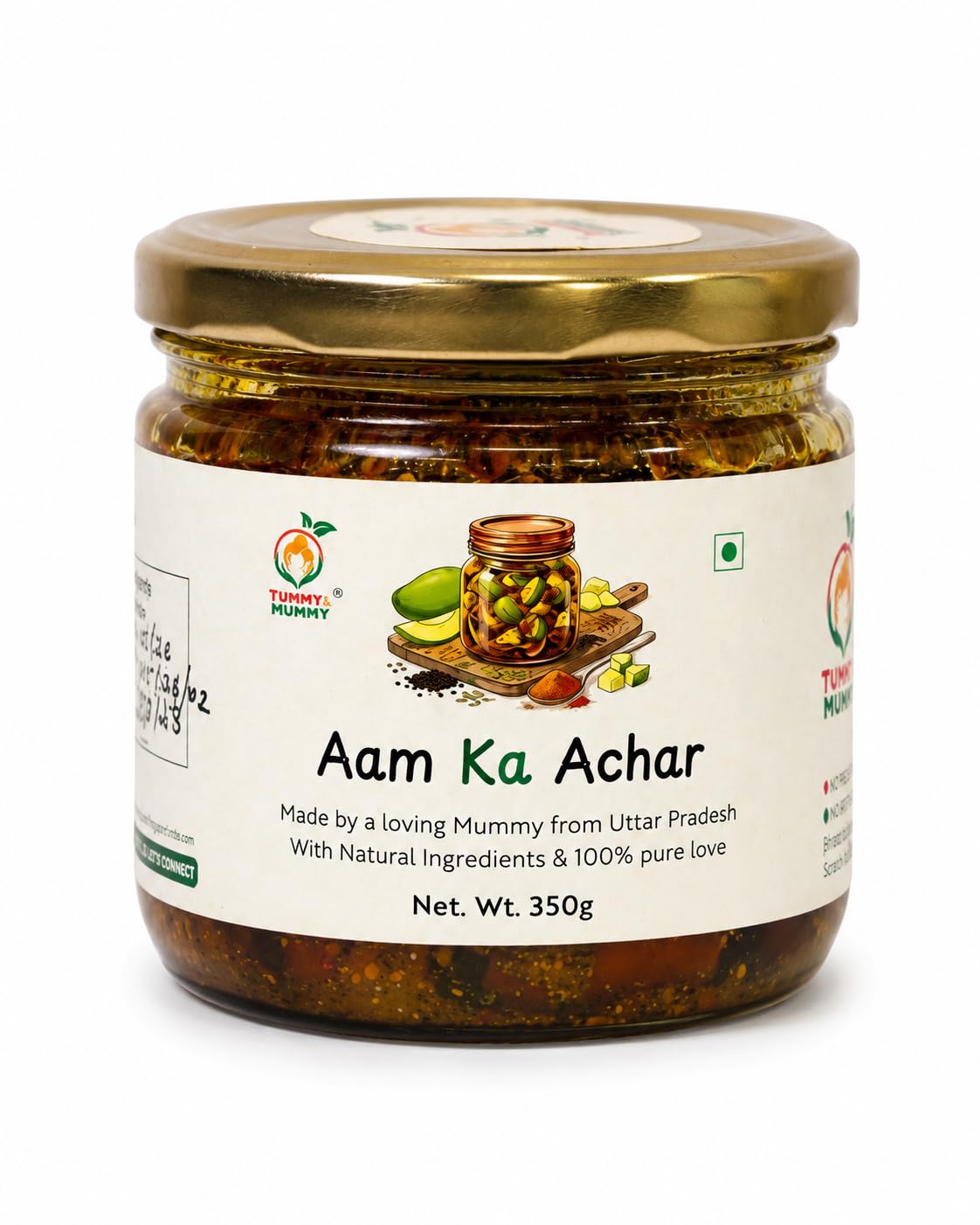
You have two options: design your own using free tools like Canva, or use a platform like Tummy & Mummy that provides label design support as part of their business-in-a-box model. Either way, get the content right before investing in printed labels — a regulatory compliance error on 500 printed labels is expensive.
Step 5: Price Your Products Correctly
Most home food entrepreneurs underprice their products. Calculate your true Cost of Goods Sold (COGS) per unit: raw materials, packaging, labour (value your own time), gas and electricity, and wastage. Then add your margin — 30-40% is standard for homemade food products.
If you're selling through a marketplace, factor in the platform's commission (typically 10-20%) and any delivery charges. Your MRP should cover COGS, your margin, the platform commission, and GST if applicable.
Step 6: Choose Where to Sell
You have several options, each with different tradeoffs.
Homemade food marketplaces like Tummy & Mummy, Cookr, and HomeFoodi handle the storefront, payments, and often logistics. You focus on cooking. The tradeoff is a commission on each sale, but you get access to an existing customer base and don't need to build your own website.
Your own website via Shopify, Dukaan, or similar platforms gives you full control and no commission, but you're responsible for marketing, customer acquisition, and delivery logistics. This works best if you already have a following on social media.
WhatsApp and Instagram selling is how most home chefs start — zero platform cost, but scaling beyond your personal network is difficult, and payment collection and delivery are manual.
Local markets and exhibitions are great for brand building and customer feedback but aren't scalable for daily operations.
Step 7: Handle GST and Invoicing
If your annual turnover is below ₹40 lakh (₹20 lakh for special category states), GST registration is optional. But many marketplaces require GST registration regardless, and B2B buyers (corporate gifting, institutional orders) always expect a GST invoice.
When you're ready, register on the GST portal (gst.gov.in). Most home food products fall under the 5% or 12% GST slab depending on the category.
Step 8: Start Selling — and Iterating
Your first batch won't be perfect, and that's fine. Start with 2-5 products you're most confident about. Get feedback from your first 10-20 customers. Iterate on taste, packaging, and presentation before scaling up.
The home food entrepreneurs who succeed aren't necessarily the best cooks — they're the ones who treat it like a business from day one: tracking costs, gathering feedback, and iterating relentlessly.
Frequently Asked Questions
Do I need a separate kitchen to sell homemade food?
No. FSSAI basic registration covers home kitchens.
How much does it cost to start?
Budget Rs 10,000-25,000 for FSSAI, lab testing, packaging, and first batch materials.
Can I sell across states?
Yes, with an FSSAI State License and awareness of inter-state GST implications.
Which platform is best for selling?
Depends on your product. Tummy and Mummy for packaged goods, Cookr for South Indian meals, HomeFoodi for North Indian meals.
Tummy & Mummy Editorial
Get weekly homemade food stories
Fresh recipes, producer stories, and food guides once a week.