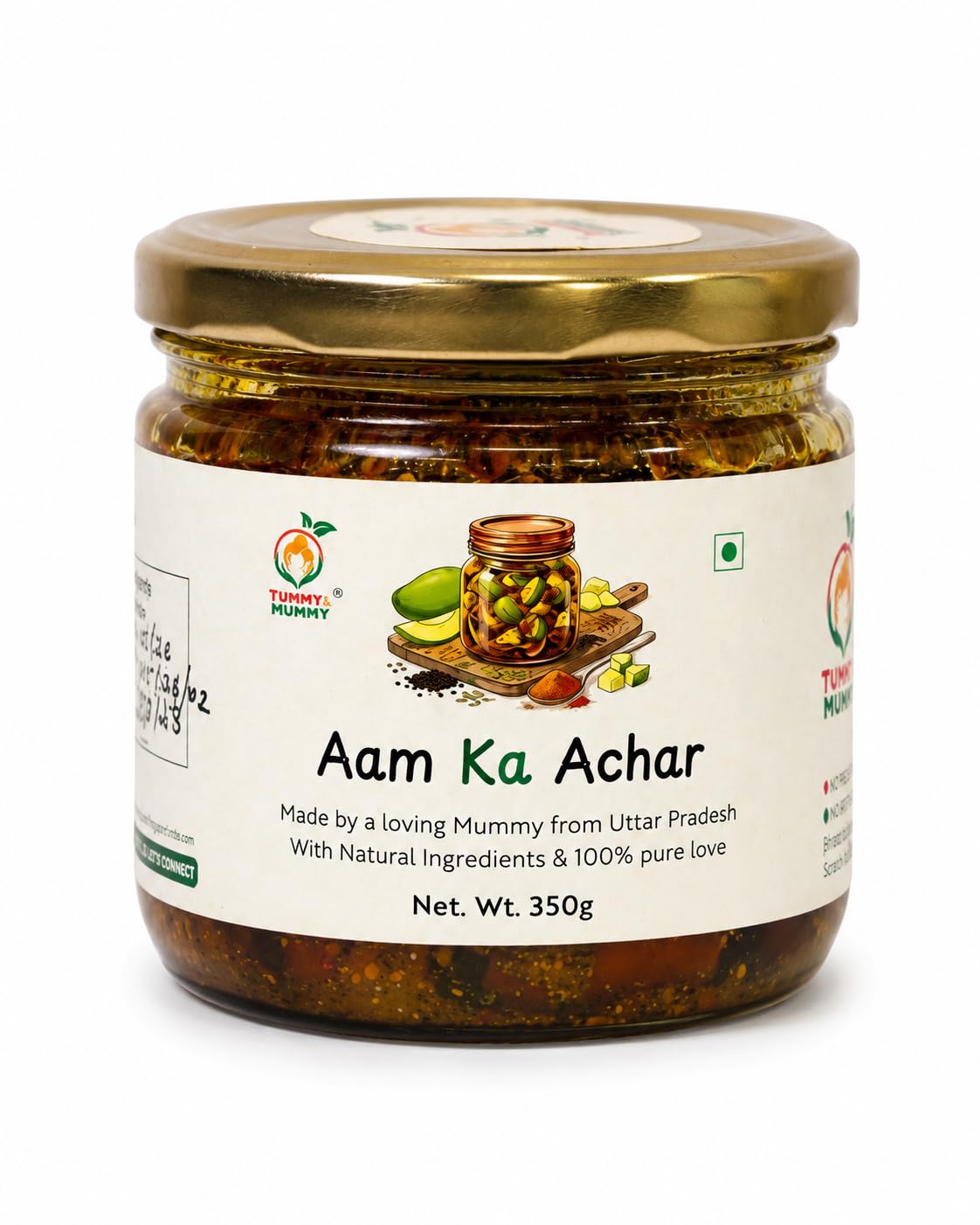
Homemade vs Store-Bought Pickles: What's Actually Different?
Ah, pickles! The tangy, spicy, sometimes sweet burst of flavor that can elevate a simple meal to a feast. But when it comes to homemade versus store-bought pickles, there's a world of difference. Let me take you on a little journey through the briny depths!
Are Homemade Pickles Better?
When I think of pickles, I can almost smell the aromatic spices and hear the sizzle of mustard seeds hitting hot oil. My grandmother always said, "The secret to a good achaar is love and patience," and she was right. Homemade pickles are often made with cold-pressed oils like mustard or sesame, which not only add a rich flavor but also preserve the healthful properties of the ingredients. Compare this to many commercial pickles, which are typically made using refined palm oil. This type of oil is cheaper and extends shelf life, but it lacks the flavor depth and potential health benefits of cold-pressed oils.
Preservatives and Their Role
One of the glaring differences is in the use of preservatives. Commercial pickles often contain sodium benzoate and potassium sorbate to extend their shelf life [1]. While these preservatives are generally recognized as safe, they can sometimes contribute to a less vibrant taste. Homemade pickles, like those you’ll find on Tummy & Mummy's homemade food marketplace, employ traditional methods such as sun-drying and salt-curing. These methods not only preserve the pickles but also enhance their flavor and nutritional value over time.
Shelf Life: Longer Isn't Always Better
The shelf life of a pickle can tell you a lot about its ingredients. Store-bought pickles are designed to last for months, sometimes years, thanks to preservatives and pasteurization. However, this process can strip away beneficial probiotics that are naturally present in fermented foods. Homemade pickles, particularly those that are naturally fermented, boast a shorter shelf life but are packed with probiotics, which can aid in digestion and bolster gut health [2].
Nutrition Comparison
The nutritional benefits of homemade pickles are one of their biggest selling points. Fermented homemade pickles are a source of probiotics, which can improve gut health and boost your immune system. In contrast, commercial pickles, being pasteurized, often lack these live cultures. Plus, homemade varieties like those from Tummy & Mummy are free from preservatives and refined palm oil, making them a healthier choice.
Tummy & Mummy: A Trusted Source
At Tummy & Mummy, every jar of pickle is a small-batch creation, crafted with love and verified by our stringent quality standards. Our producers follow FSSAI licensing and compliance, ensuring kitchen hygiene and ingredient sourcing traceability (think luscious mangoes from farms in Uttarakhand). With years of experience under their belts, our Mummy Producers create pickles that are not just food, but a delight.
Comparison Table: Homemade vs Store-Bought Pickles
| Parameter | Homemade Pickles | Store-Bought Pickles |
|---|---|---|
| Oil Type | Cold-pressed mustard/sesame oil | Refined palm oil |
| Preservatives | None; uses sun-drying/salt-curing | Sodium benzoate/potassium sorbate |
| Shelf Life | Shorter, naturally preserved | Longer, due to preservatives |
| Probiotics | Rich in probiotics | Often lack probiotics due to pasteurization |
| Flavor | Rich, authentic flavor | Often less vibrant due to preservatives |
| Health Impact | Boosts gut health with probiotics | Minimal probiotic benefits |
| Ingredient Source | Transparent sourcing from local farms | Often unclear |
| Production Size | Small batch, artisanal | Mass-produced |
| Verification | Verified by Tummy & Mummy | Not always verifiable |
The Verdict
So, are homemade pickles better? If you ask me, the answer is a resounding yes. Not only are they crafted with care and traditional methods, but they also bring a taste of home that no commercial jar can replicate. Plus, with Tummy & Mummy, you have the assurance of quality, taste, and authenticity. So next time you're reaching for a jar of achaar, consider the story behind it—the hands that made it, the spices that danced into it, and the love that sealed it.
FAQs
What are the benefits of homemade pickles? Homemade pickles offer rich flavors, probiotics for gut health, and are free from preservatives, providing a more authentic and healthier option.
How do preservatives affect pickles? Preservatives like sodium benzoate extend shelf life but can diminish the vibrant taste and probiotic content of pickles.
Are commercial pickles unhealthy? Not necessarily, but they often contain refined oils and preservatives, which can affect flavor and nutritional value compared to homemade pickles.
Why do homemade pickles have a shorter shelf life? Homemade pickles use natural preservation methods like salt-curing, leading to shorter shelf life but retaining more nutritional benefits.
What oils are best for homemade pickles? Cold-pressed oils like mustard or sesame are ideal as they enhance flavor and preserve nutritional properties better than refined oils.
Sources
[1]: Codex Alimentarius, "General Standard for Food Additives" [2]: ICMR, "Nutritional Guidelines"
Internal Links Inserted
1
Frequently Asked Questions
What are the benefits of homemade pickles?
Homemade pickles offer rich flavors, probiotics for gut health, and are free from preservatives, providing a more authentic and healthier option.
How do preservatives affect pickles?
Preservatives like sodium benzoate extend shelf life but can diminish the vibrant taste and probiotic content of pickles.
Are commercial pickles unhealthy?
Not necessarily, but they often contain refined oils and preservatives, which can affect flavor and nutritional value compared to homemade pickles.
Why do homemade pickles have a shorter shelf life?
Homemade pickles use natural preservation methods like salt-curing, leading to shorter shelf life but retaining more nutritional benefits.
What oils are best for homemade pickles?
Cold-pressed oils like mustard or sesame are ideal as they enhance flavor and preserve nutritional properties better than refined oils.
Sources
- Codex Alimentarius, "General Standard for Food Additives"
- ICMR, "Nutritional Guidelines"
Tummy & Mummy Team
Get weekly homemade food stories
Fresh recipes, producer stories, and food guides once a week.