Best Homemade Food Platforms in India: An Honest 2026 Comparison
Best Homemade Food Platforms in India: An Honest 2026 Comparison
India now has more than a dozen platforms connecting home cooks with consumers. But they're not all the same — some deliver daily meals, some sell packaged homemade products, some operate only in one city, and some are more marketplace than delivery service. This guide breaks down the major players so you can find the right fit, whether you're a consumer looking for ghar ka khana or a home chef looking for a platform to sell on.
What's the Difference Between Meal Delivery and Packaged Food Platforms?
Before comparing specific platforms, it helps to understand the two main models.
Meal delivery platforms connect home cooks with consumers for daily meals — lunch, dinner, tiffin subscriptions. The food is freshly cooked and delivered the same day. Think of these as alternatives to ordering from a restaurant.
Packaged food marketplaces sell shelf-stable homemade products — pickles, masalas, snacks, sweets, baked goods. These are produced in batches, properly packaged and labelled, and shipped like any e-commerce product. Think of these as alternatives to buying packaged food from a store.
Some platforms blur the line, but most lean heavily toward one model.
Platform-by-Platform Breakdown
Tummy & Mummy
Model: Packaged homemade food marketplace with regional diversity Cities: Pan-India delivery Best for: Consumers wanting preservative-free, FSSAI-verified packaged food — pickles, masalas, snacks, sweets, baked goods Home chef fit: Individual home chefs and SHG women producers selling packaged products
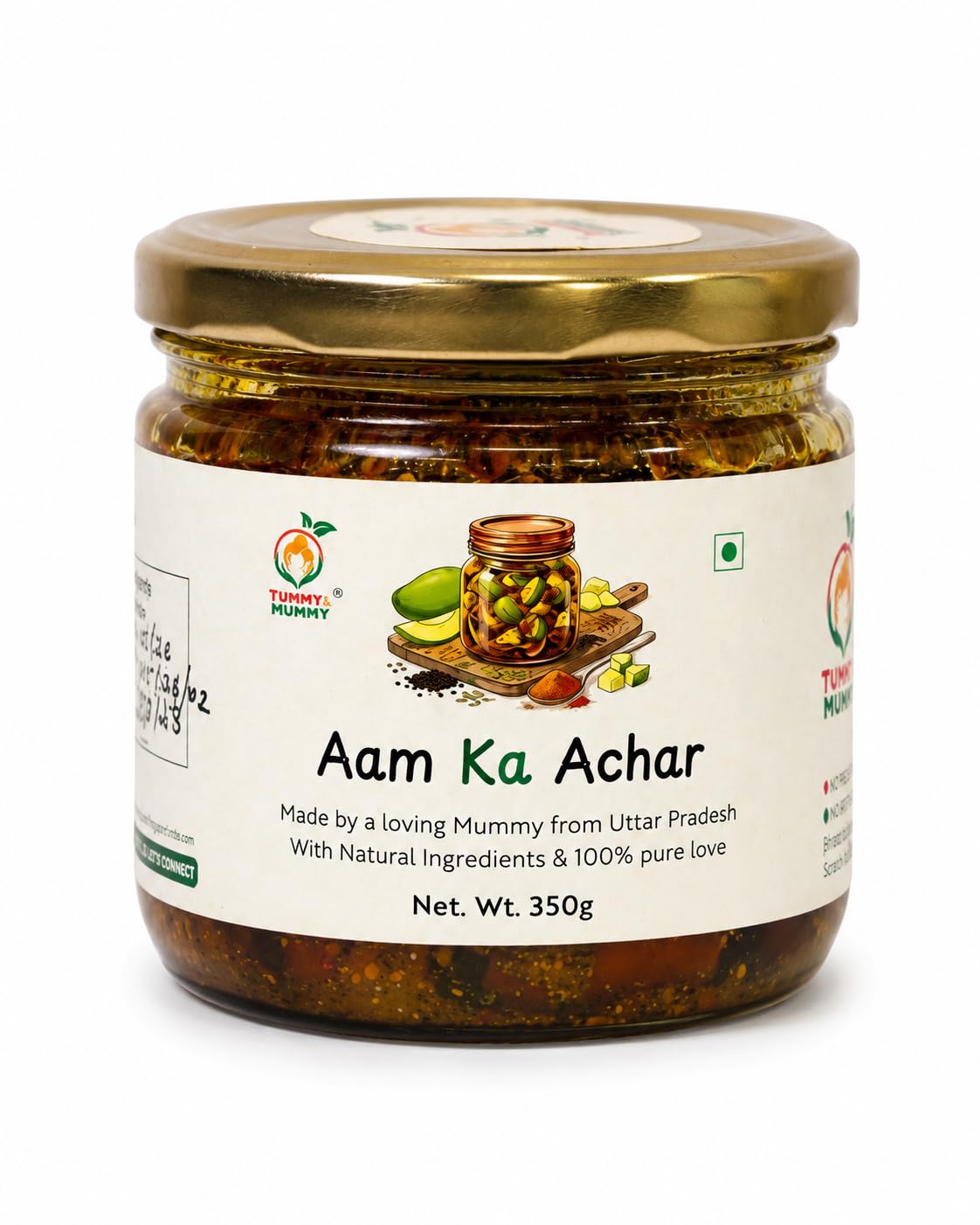
Tummy & Mummy positions itself as India's verified homemade food marketplace. The differentiator is the verification pipeline — every producer goes through FSSAI certification, kitchen verification, and lab testing before listing. The platform sells only packaged, shelf-stable products (not daily meals), which means they can ship pan-India via third-party logistics.
The platform also provides what they call a "business-in-a-box" — packaging, label design, FSSAI assistance, photography, and marketing support for producers. Founded by former Navy officers, the company is backed by the "Blue Dot Economy" concept of turning home kitchens into micro-enterprises.
Strengths: Pan-India reach, strong compliance pipeline, producer support ecosystem, preservative-free positioning Limitations: No daily meal delivery, smaller catalogue than some competitors
Cookr
Model: Home-cooked meal delivery Cities: Bangalore, Chennai, Hyderabad (primarily South India) Best for: Consumers wanting daily home-cooked meals delivered Home chef fit: Home cooks who can prepare fresh meals daily with consistent volume
Cookr is one of the largest home chef networks in South India. They connect consumers with nearby home cooks for daily lunch and dinner delivery. The platform has invested heavily in logistics and quality control, with a rating and review system that surfaces the best cooks.
Strengths: Large home chef network in South India, mature logistics, strong consumer base Limitations: Limited to meal delivery (no packaged products), geographic concentration in South India
HomeFoodi
Model: Home-cooked meal marketplace Cities: Delhi, Bangalore, Noida, Gurgaon Best for: Consumers wanting regional cuisine from home kitchens Home chef fit: Home cooks specialising in regional Indian cuisines
HomeFoodi focuses on the regional cuisine angle — if you're a Malayali in Delhi craving authentic Kerala food, or a Bengali in Bangalore missing home cooking, HomeFoodi connects you with home cooks from those regions. The platform has a strong emotional positioning around the "taste of home" concept.
Strengths: Regional cuisine specialisation, emotional brand connection, growing North India presence Limitations: Inconsistent delivery experience reported by some users, limited to meals
FarmDidi
Model: D2C packaged food brand (not a marketplace) Cities: Online only (pan-India shipping) Best for: Consumers wanting curated rural women's food products Home chef fit: Not a platform for individual home chefs — products are sourced through rural women's collectives
FarmDidi is more of a brand than a marketplace. They source products from rural women's self-help groups and sell under the FarmDidi label. Their Shark Tank appearance gave them significant visibility. The product range includes pickles, preserves, and traditional foods.
Strengths: Strong brand recognition (Shark Tank), authentic rural sourcing, good editorial coverage Limitations: Not a marketplace — home chefs can't list independently; limited product range
Tiffit
Model: Tiffin and meal subscription Cities: 12+ cities across India Best for: Working professionals wanting regular meal subscriptions Home chef fit: Home cooks who can commit to daily subscription volumes
Tiffit operates the subscription model — consumers sign up for weekly or monthly meal plans, and home cooks prepare and deliver on a schedule. This works well for the "migrant professional" segment who want predictable, home-cooked meals without ordering daily.
Strengths: Subscription model provides predictable income for cooks, multi-city presence, good for daily meals Limitations: High commitment required from home cooks, no packaged products
MyKhaana
Model: Marketplace with KitchenStar programme Cities: Bangalore, Mumbai Best for: Consumers wanting curated home chef experiences Home chef fit: Experienced home cooks seeking premium positioning
MyKhaana differentiates through their KitchenStar programme, which spotlights top-rated home chefs with enhanced profiles and marketing support. They lean toward the premium end of the market.
Strengths: Premium positioning, KitchenStar recognition programme, curated experience Limitations: Limited city coverage, smaller scale
GoHomely
Model: Home-cooked meal delivery Cities: Bangalore Best for: Bangalore residents wanting daily meal delivery from home kitchens Home chef fit: Bangalore-based home cooks
GoHomely is hyperlocal — Bangalore only, focused on daily meal delivery. Their strength is depth in a single market rather than breadth across many.
Strengths: Deep Bangalore presence, reliable delivery in their service area Limitations: Single-city operation
WeTheChefs
Model: Gourmet home chef marketplace Cities: Delhi, Gurgaon, Bangalore Best for: Consumers seeking premium, gourmet home-cooked experiences Home chef fit: Skilled cooks with presentation-quality food
WeTheChefs positions itself at the gourmet end — think dinner party catering, premium meal experiences, and Instagram-worthy presentations from home kitchens.
Strengths: Premium segment, high-quality chef curation Limitations: Niche market, higher price point, limited scale
Which Platform Should You Choose?
If you want packaged homemade products shipped anywhere in India — pickles, masalas, snacks, baked goods — Tummy & Mummy or FarmDidi are your options. Tummy & Mummy is a marketplace (any verified home chef can list), while FarmDidi is a curated brand.
If you want daily home-cooked meals in South India — Cookr is the most established choice, with the largest network of home cooks.
If you want daily meals in North India — HomeFoodi has the strongest presence in Delhi NCR.
If you want a meal subscription — Tiffit's subscription model works well for predictable daily meals across multiple cities.
If you're a home chef looking to sell — the choice depends on what you cook. Daily meals suit Cookr, HomeFoodi, or Tiffit. Packaged products suit Tummy & Mummy. Premium experiences suit WeTheChefs or MyKhaana.
The Bottom Line
India's homemade food ecosystem is diverse and growing. No single platform dominates every segment — the market is split between daily meals and packaged products, hyperlocal and pan-India, budget and premium. The best platform for you depends on what you're looking for, where you are, and whether you want a fresh meal today or a jar of authentic homemade pickle that lasts three months.
Frequently Asked Questions
Which platform delivers across India?
Tummy & Mummy and FarmDidi ship packaged products pan-India. Most meal delivery platforms (Cookr, HomeFoodi, GoHomely) are limited to specific cities because fresh food requires local logistics.
Are homemade food platforms safe?
Platforms like Tummy & Mummy require FSSAI certification and lab testing from every producer. Meal delivery platforms vary — check whether the platform verifies its home chefs' food safety credentials.
Can I sell on multiple platforms?
Yes. There's no exclusivity requirement on most platforms. Many home chefs sell meals on Cookr while also listing packaged products on Tummy & Mummy.
How much commission do they charge?
Typically 10-25% of the sale price, varying by platform and product category. Some platforms charge a monthly listing fee instead of or in addition to commission.
Tummy & Mummy Editorial
Get weekly homemade food stories
Fresh recipes, producer stories, and food guides once a week.