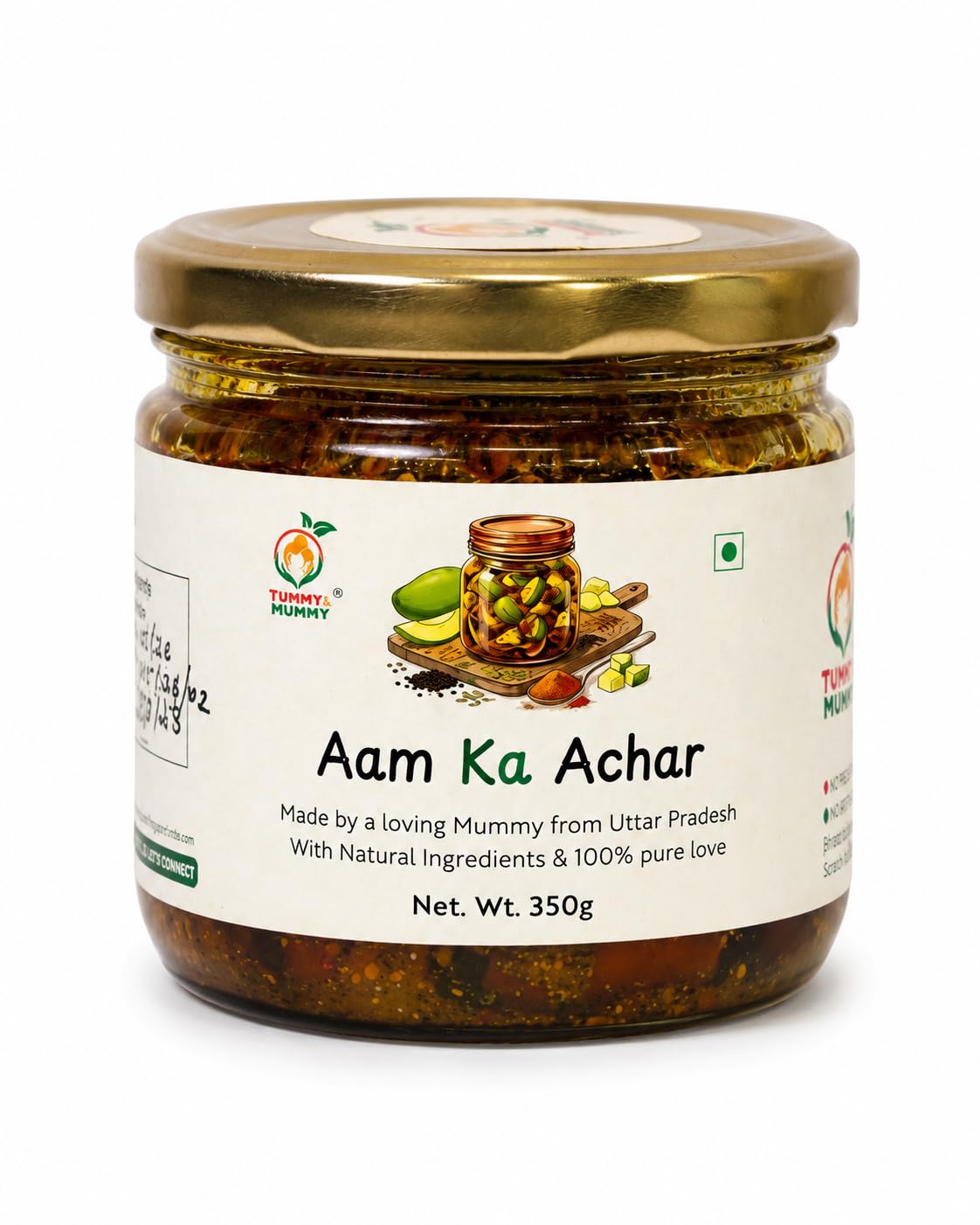
The Ultimate Guide to Homemade Indian Pickles
The Ultimate Guide to Homemade Indian Pickles
Ah, the tantalizing world of Indian pickles—or as we lovingly call them, achaar. These tangy, spicy delights are much more than just a side dish. They're a burst of flavor that can turn a simple meal into an unforgettable feast. I remember my grandmother's kitchen, the air thick with the aroma of mustard oil and spices, as she prepared her signature lime pickle. It was a ritual, an art.
Types of Indian Pickles
India's diversity is beautifully reflected in its pickles. From the fiery mango pickle of Andhra Pradesh to the mild and sweet lemon pickle of Gujarat, there's something for everyone. Beyond mango and lime, we have
- Amla (Indian Gooseberry) Pickle: A winter favorite, it boasts high vitamin C content.
- Ginger and Garlic Pickle: Pungent and spicy, this one is a must-have during the monsoon.
- Mixed Vegetable Pickle: A medley of seasonal veggies, each bite is a mix of textures and flavors.
Each region has its own method, but the common thread is the love and patience poured into the making of each jar.
Health Benefits of Homemade Pickles
Homemade pickles are not just about taste; they pack a punch of health benefits too. They're rich in probiotics, which promote gut health. The fermentation process—led by natural ingredients like salt and vinegar—creates a gut-friendly environment, aiding digestion and boosting immunity [1]. Plus, they're often made using organic produce sourced from farms in Uttarakhand, ensuring you consume nothing but the best.
Homemade vs Store-bought Pickles
Why choose homemade over store-bought? For starters, most homemade pickles are free from preservatives. Traditional methods like sun-drying and salt-curing eliminate the need for artificial preservatives, which means you're consuming a purer product [2]. Additionally, homemade pickles usually contain less oil and salt, making them a healthier option.
How Indian Pickles Are Made Traditionally
The art of pickle-making is steeped in tradition. My grandmother always said, "The secret to a good pickle is time." Ingredients are meticulously cleaned, chopped, and sun-dried to remove moisture. Then comes the tarka—the sizzling mix of spices in hot mustard oil. The spices pop and crackle, releasing their aromas before enveloping the main ingredient. Once mixed, the concoction is left to mature in the sun for weeks, allowing the flavors to meld beautifully.
FSSAI and Safety in Homemade Pickles
The Food Safety and Standards Authority of India (FSSAI) ensures that our beloved homemade pickles are safe for consumption. FSSAI licensing and compliance involve rigorous checks, from kitchen hygiene inspections to ingredient traceability. Our "Mummy Producers" are verified by Tummy & Mummy, ensuring they're up to standard. Some producers even conduct lab tests to validate their product's safety and quality.
Conclusion
There's nothing quite like opening a jar of homemade achaar and letting the tangy aroma fill your senses. It’s a slice of India in every bite. So, next time you crave that spicy zing, remember that homemade pickles are not just a condiment—they're a journey.
FAQs
1. What are the benefits of eating homemade pickles? Homemade pickles are rich in probiotics due to natural fermentation, which aids digestion and boosts gut health.
2. How are Indian pickles different from other pickles? Indian pickles are known for their diverse flavors and spices, often involving a mix of sweet, spicy, and tangy elements.
3. Are homemade pickles healthier than store-bought ones? Yes, they often contain no preservatives and use less oil and salt, making them a healthier option.
4. How does FSSAI ensure the safety of homemade pickles? FSSAI ensures safety through licensing, kitchen inspections, and ingredient traceability standards.
5. Can I store homemade pickles without refrigeration? Yes, if made and stored correctly in a sterilized jar, they can last months without refrigeration due to salt and oil preservation methods.
Sources
[1] ICMR nutrition research [2] Codex Alimentarius
Frequently Asked Questions
What are the benefits of eating homemade pickles?
Homemade pickles are rich in probiotics due to natural fermentation, which aids digestion and boosts gut health.
How are Indian pickles different from other pickles?
Indian pickles are known for their diverse flavors and spices, often involving a mix of sweet, spicy, and tangy elements.
Are homemade pickles healthier than store-bought ones?
Yes, they often contain no preservatives and use less oil and salt, making them a healthier option.
How does FSSAI ensure the safety of homemade pickles?
FSSAI ensures safety through licensing, kitchen inspections, and ingredient traceability standards.
Can I store homemade pickles without refrigeration?
Yes, if made and stored correctly in a sterilized jar, they can last months without refrigeration due to salt and oil preservation methods.
Sources
Tummy & Mummy Team
Get weekly homemade food stories
Fresh recipes, producer stories, and food guides once a week.